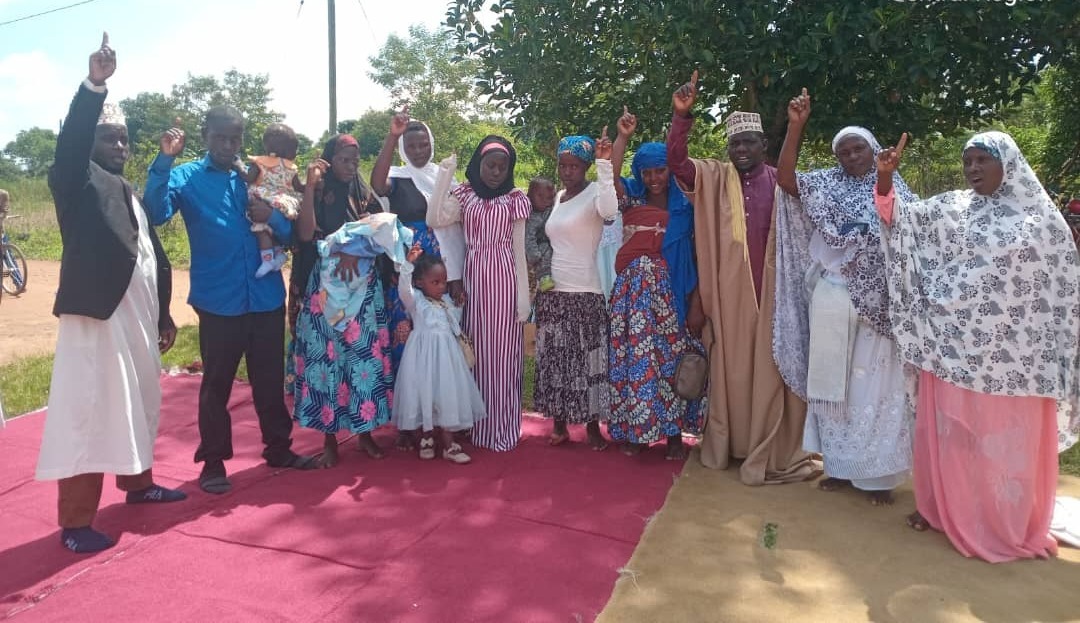

The air in the village didn’t just smell of woodsmoke and rain today; it smelled of saffron, celebration, and change.
For the small group gathered under the shade of the acacia trees, this wasn’t just another harvest or a seasonal festival. This was their first Eid-el-Fitri, the punctuation mark at the end of a life-changing sentence.
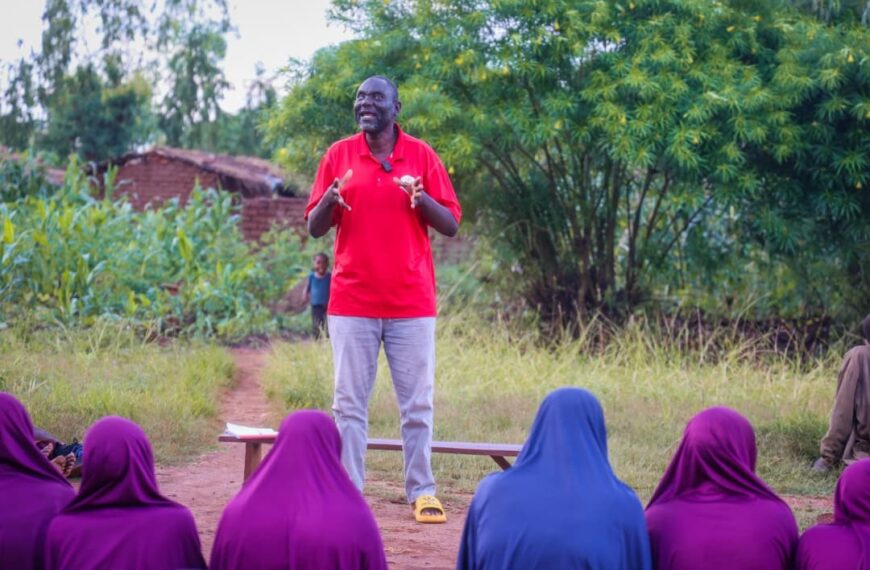
Just sixty days ago, these men and women had arrived in the iERA classes as seekers. Guided by the patient hands of the Duats, they had spent two months unlearning the old and embracing the new faith. They had navigated the steep learning curve of the Five Pillars, their tongues slowly softening to the rhythm of salah.
They didn’t just study fasting; they lived it. Side by side, they felt the same hunger, shared the same Iftar dates, and stood in long rows for Taraweeh under the starlight. In those quiet moments of shared exhaustion and spiritual clarity, the “New Muslims” stopped being a class and started being a family.
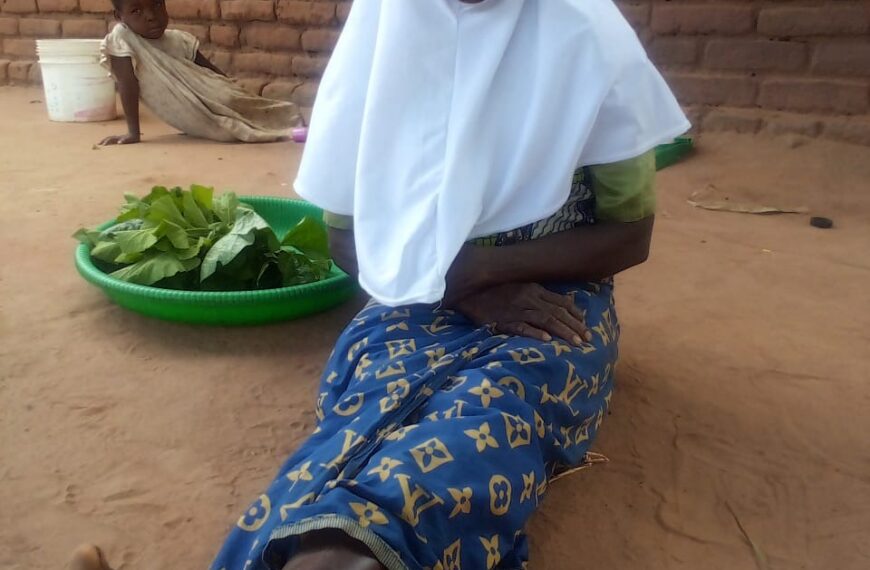
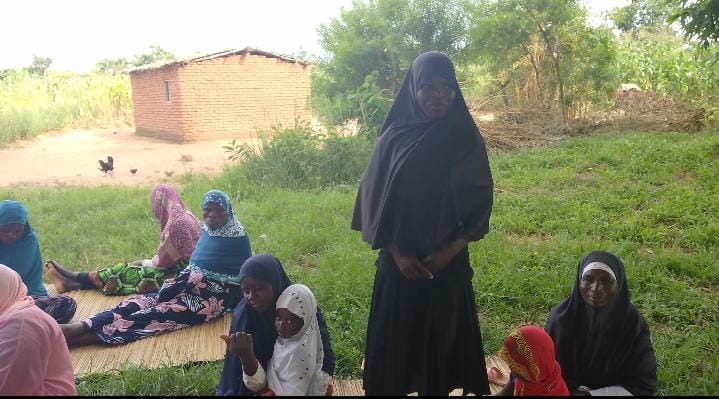
The day began with the Eid Swalah. Dressed in crisp tunics and vibrant hijabs, many wearing their traditional colors with a new, modest flair, they stood shoulder to shoulder.
After the prayers came the moment they had all anticipated: the Eid meal.
Spread across colorful mats, the feast was a tapestry of local flavors and Islamic tradition. As they reached into the shared platters, the atmosphere was electric. They laughed about their first few days of fasting—the initial struggles and the eventual triumphs. They spoke of their “new journey,” a path that felt less like a departure from their village roots and more like a deepening of their purpose within it.
As the sun began to tilt, marking the end of their first official day as a global community, one thing was clear: the iERA Duats hadn’t just taught them the basics of Islam; they had helped them plant a garden of faith in the heart of the village—a garden that was only just beginning to bloom.