
The path to faith is not always a straight line. For some, it is a journey marked by discovery, loss, and a blessed return. The story of Djuma is a poignant reminder of a profound truth: while the innate human disposition (fitrah) naturally inclines toward Allah, faith is a delicate plant that requires the nurturing water of knowledge and the sunlight of a supportive community to take root and thrive. Without this, it can wither in the face of hardship and fear.
Djuma grew up in the countryside, living with his parents and grandparents in a non-Muslim environment. Yet, from a remarkably early age, his heart was drawn to Islam. He observed the Muslims in his area, captivated by their way of life—their discipline in prayer, their sense of community, and the peace they seemed to embody. This attraction was a pure expression of his fitrah, a spiritual longing to connect with the One God. He eventually gathered the courage to follow his heart and embraced Islam.
However, his joy was tempered by isolation. He was the only Muslim in his entire family. Instead of sharing his newfound peace, he was consumed by a constant, gnawing fear of their reaction. His faith was forced into secrecy. He would steal away to pray at the local mosque in secret, living in dread of the reprisals and rejection he was sure would come from his family. This isolation was compounded by a critical void: he received no ongoing Islamic education or spiritual support in his village. There was no one to answer his questions, to teach him the Quran, or to strengthen his resolve. This combination of fear and profound ignorance became a heavy burden. The initial flame of his faith, without fuel to sustain it, slowly flickered and died. Overwhelmed and disconnected, Djuma eventually abandoned the prayers and the practices, and his connection to Islam faded into a distant memory.

Years later, seeking work, Djuma left the countryside for the city. It was here, amidst the bustling urban life, that he encountered Muslims again. Hearing the call to prayer, seeing people freely heading to the mosque, he was struck by a deep sense of loss and nostalgia. His conscience, which had been dormant for so long, awoke with a powerful ache. He realized the immense spiritual void he had been carrying.
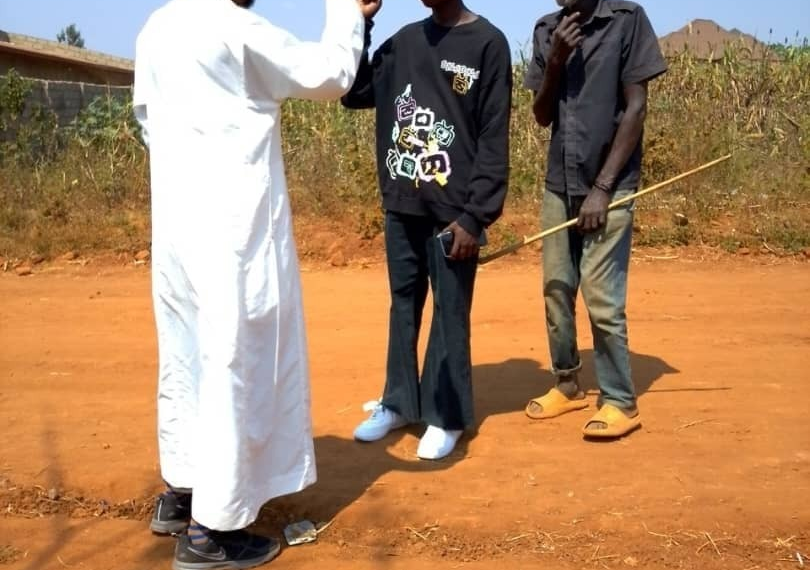
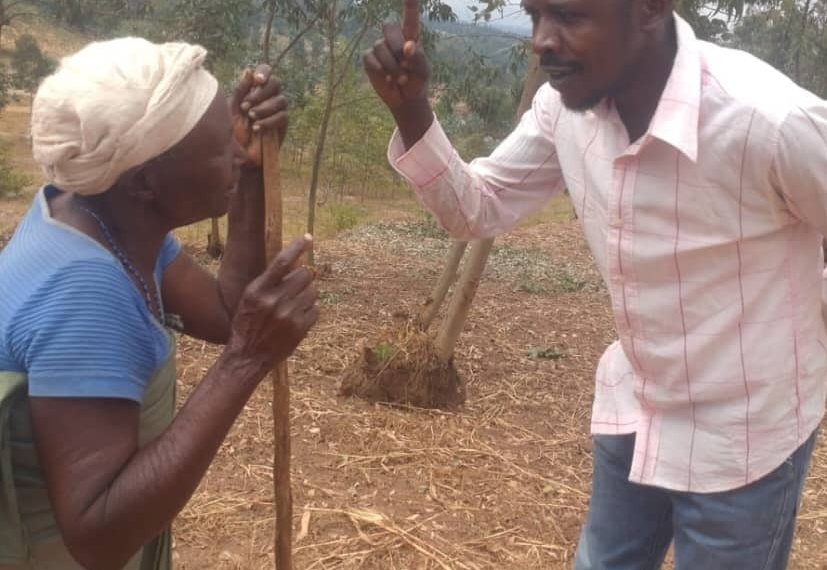
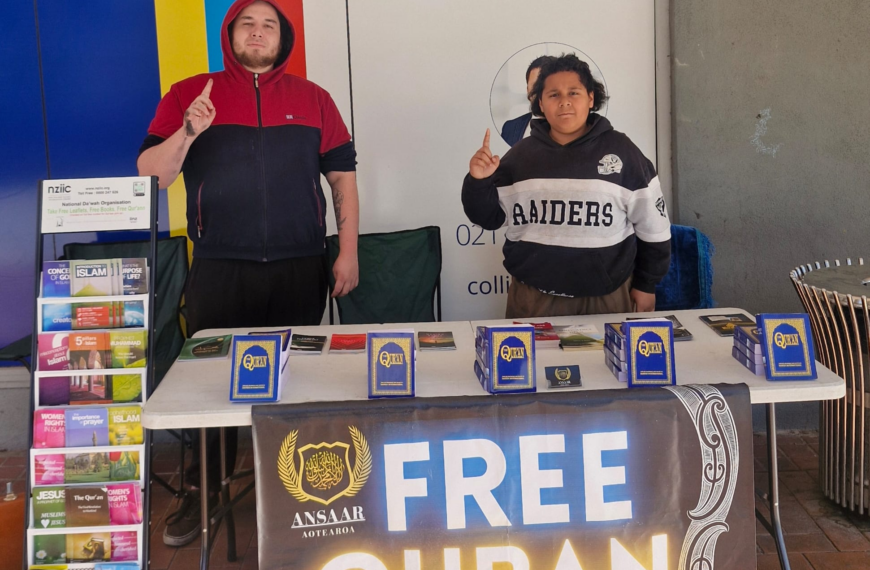
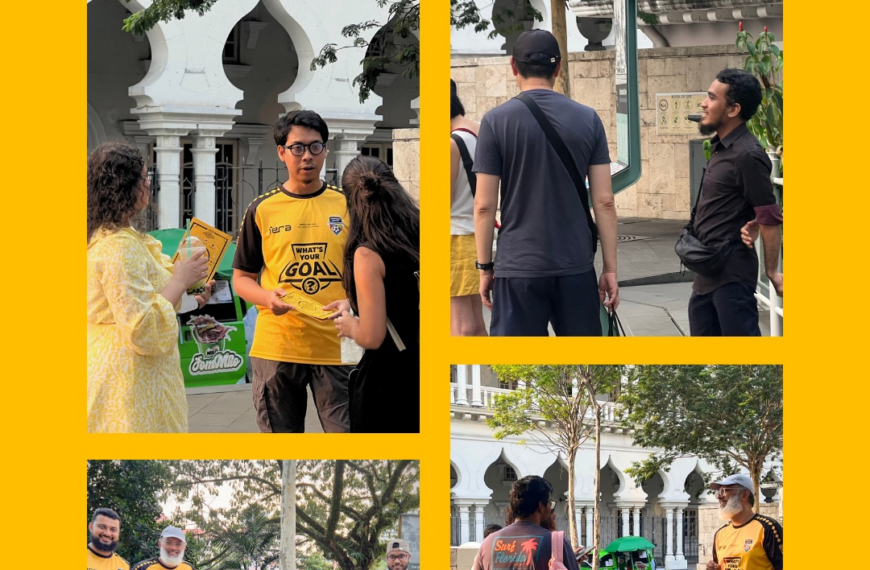
Divine guidance intervened during a street dawah activity. Djuma met our duats and, after a series of fruitful and compassionate exchanges, the ember of faith in his heart was rekindled. He agreed to renew his Shahada and return to Islam.
But this time, his approach was different. Having learned from his painful past, he made a heartfelt and urgent request to the duats: “Please,” he insisted, “you must teach me about Islam. I know almost nothing, and I do not want to lose my way again.”
Djuma’s story is a powerful lesson for the Muslim community. It underscores that dawah does not end with the Shahada; it begins there. His return to Islam is a story of redemption, but it also highlights our collective responsibility to ensure that new brothers and sisters are embraced, educated, and supported, so that their faith may grow strong and resilient, never to be lost again. Alhamdulillah for the guidance that brings us back.