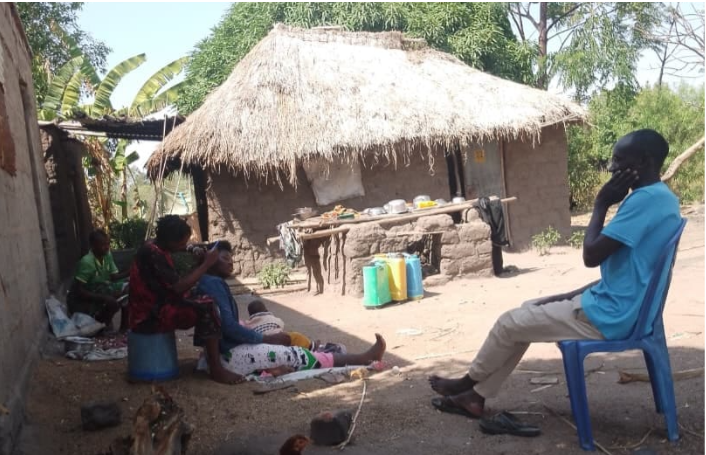

The afternoon sun beat down, warming the dirt path and making the air heavy. John, a man of thirty-five with a life etched onto his face, sat on a neighbor’s veranda, the familiar weight of a bottle in his hand. He was a casual labourer with no formal education, and a companion to boredom and alcohol. He had been born and raised in a Catholic family.
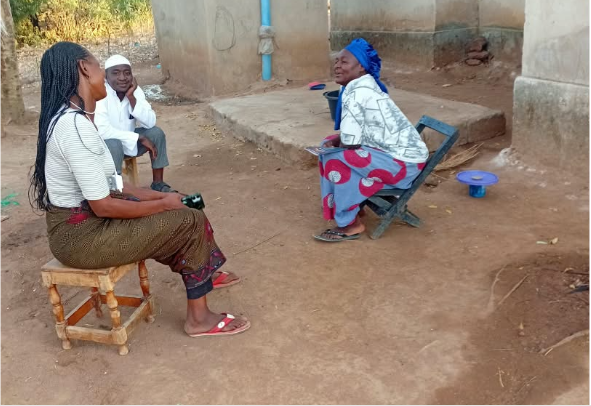
His quiet rest was interrupted by the arrival of a pair of duats from iERA Uganda. They greeted him warmly and, without judgment, began to speak of a single, all-powerful God. They spoke of the purpose of creation—that every living thing was made to worship its creator. They explained the oneness of God, the one who had created John himself and commanded him to worship Him alone.
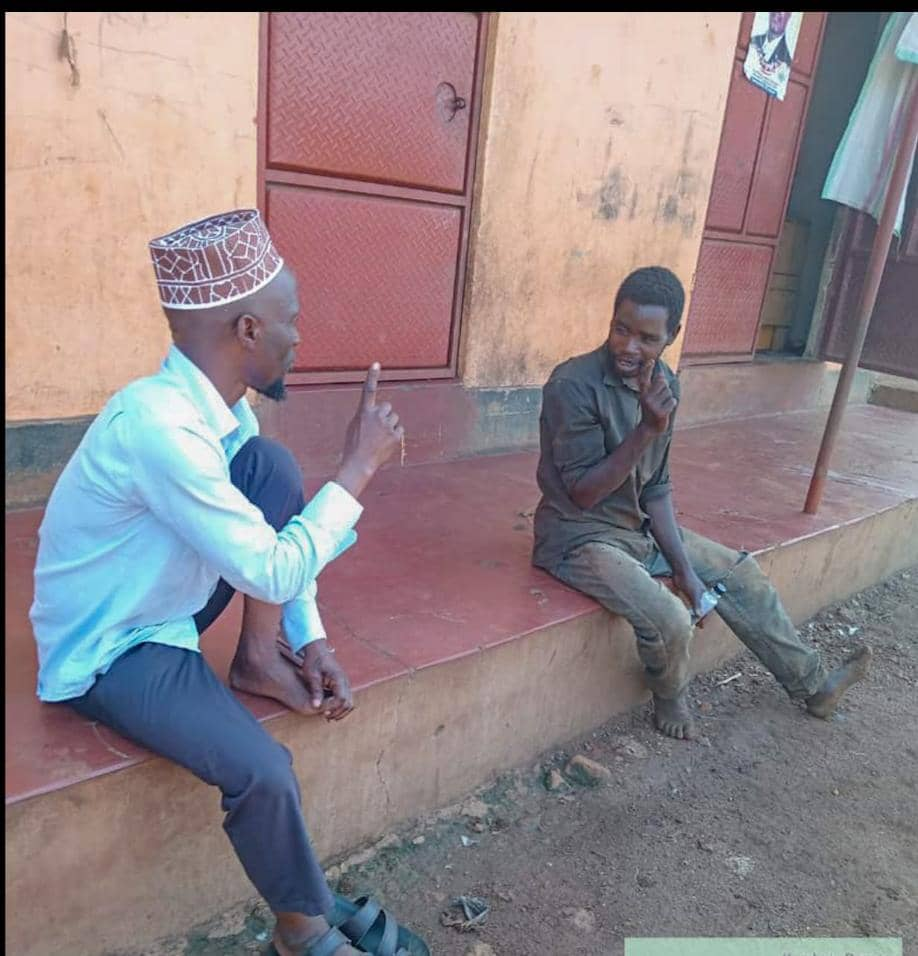
John, an honest man, listened intently. He had questions. His first was a simple, raw truth from his own life: “What will turning to Allah help me with when I am illiterate?” he asked, a hint of resignation in his voice.
The duats smiled gently. “God knows everybody because He created them,” they answered. “Your knowledge is not what defines you to God.”
They continued, explaining that faith offered a different kind of happiness, a way to combat boredom that didn’t come from alcohol. They spoke of duas, prayers, as a source of peace and companionship. But John shook his head. “I feel so happy when I drink alcohol,” he confessed.
This was the core of his struggle, a happiness that was temporary and led to a deeper sadness. The duats explained Islam’s stance on alcohol, calling it a companion to evil. They didn’t lecture; they reasoned.
John looked from the duats to the bottle in his hand, a tangible symbol of his life until that moment. A profound question escaped his lips, a plea for hope: “If I leave alcohol, will it bring me back to God?”
The answer was simple, yet it held the weight of a new beginning. “Muslims don’t drink alcohol, but they adhere to salah and duas.”
It was all John needed to hear. He stood up, and with a conviction that surprised even himself and said,
“I will convert to Islam,” he declared, “to be free from hell and evil.”
On that simple veranda, under the same afternoon sun, John took his Shahada. He shed his old name and embraced a new one, Isa, a promise of a life renewed. The veranda, once just a place for passing time, had become the starting point of his lifelong journey of faith.
The afternoon sun beat down, warming the dirt path and making the air heavy. John, a man of thirty-five with a life etched onto his face, sat on a neighbor’s veranda, the familiar weight of a bottle in his hand. He was a casual labourer with no formal education, and a companion to boredom and alcohol. He had been born and raised in a Catholic family.
His quiet rest was interrupted by the arrival of a pair of duats from iERA Uganda. They greeted him warmly and, without judgment, began to speak of a single, all-powerful God. They spoke of the purpose of creation—that every living thing was made to worship its creator. They explained the oneness of God, the one who had created John himself and commanded him to worship Him alone.
John, an honest man, listened intently. He had questions. His first was a simple, raw truth from his own life: “What will turning to Allah help me with when I am illiterate?” he asked, a hint of resignation in his voice.
The duats smiled gently. “God knows everybody because He created them,” they answered. “Your knowledge is not what defines you to God.”
They continued, explaining that faith offered a different kind of happiness, a way to combat boredom that didn’t come from alcohol. They spoke of duas, prayers, as a source of peace and companionship. But John shook his head. “I feel so happy when I drink alcohol,” he confessed.
This was the core of his struggle, a happiness that was temporary and led to a deeper sadness. The duats explained Islam’s stance on alcohol, calling it a companion to evil. They didn’t lecture; they reasoned.
John looked from the duats to the bottle in his hand, a tangible symbol of his life until that moment. A profound question escaped his lips, a plea for hope: “If I leave alcohol, will it bring me back to God?”
The answer was simple, yet it held the weight of a new beginning. “Muslims don’t drink alcohol, but they adhere to salah and duas.”
It was all John needed to hear. He stood up, and with a conviction that surprised even himself and said,
“I will convert to Islam,” he declared, “to be free from hell and evil.”
On that simple veranda, under the same afternoon sun, John took his Shahada. He shed his old name and embraced a new one, Isa, a promise of a life renewed. The veranda, once just a place for passing time, had become the starting point of his lifelong journey of faith.