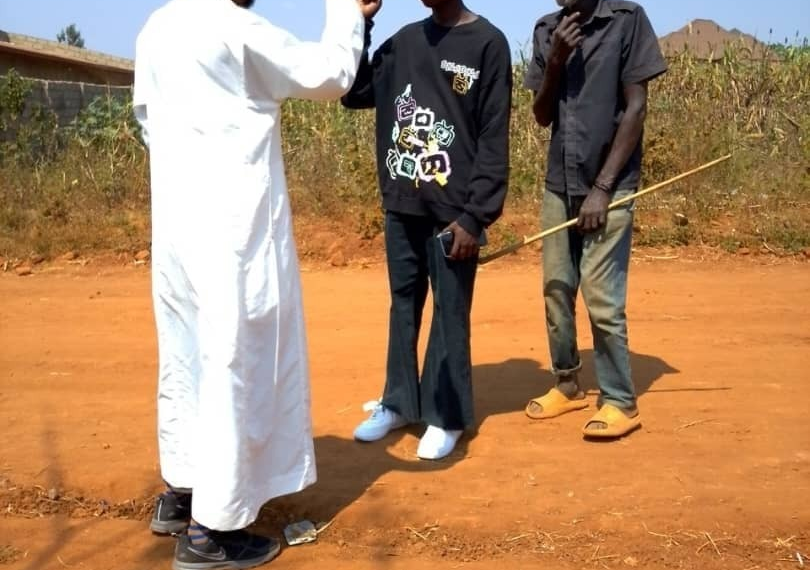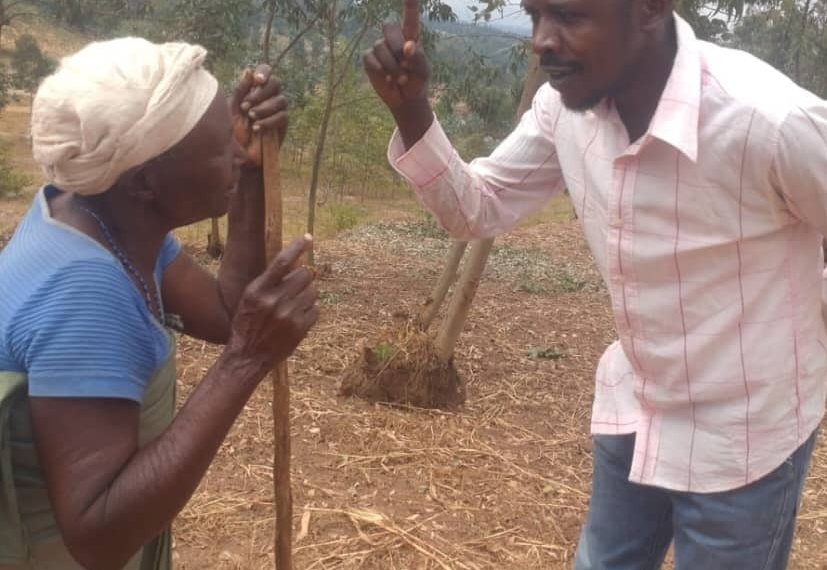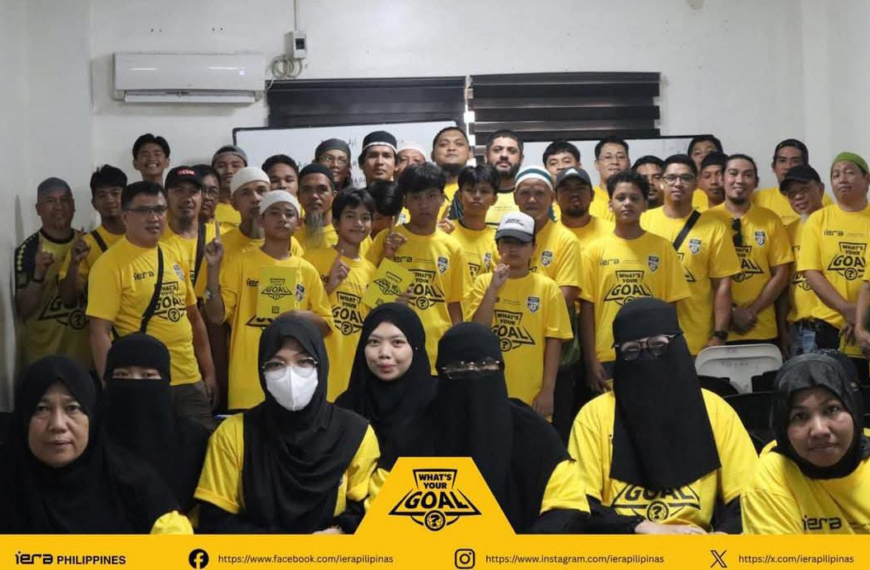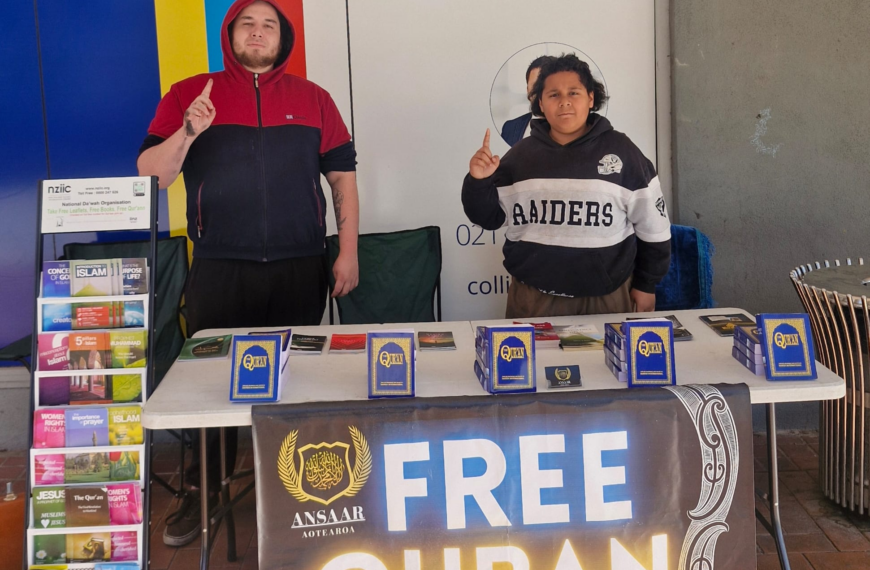
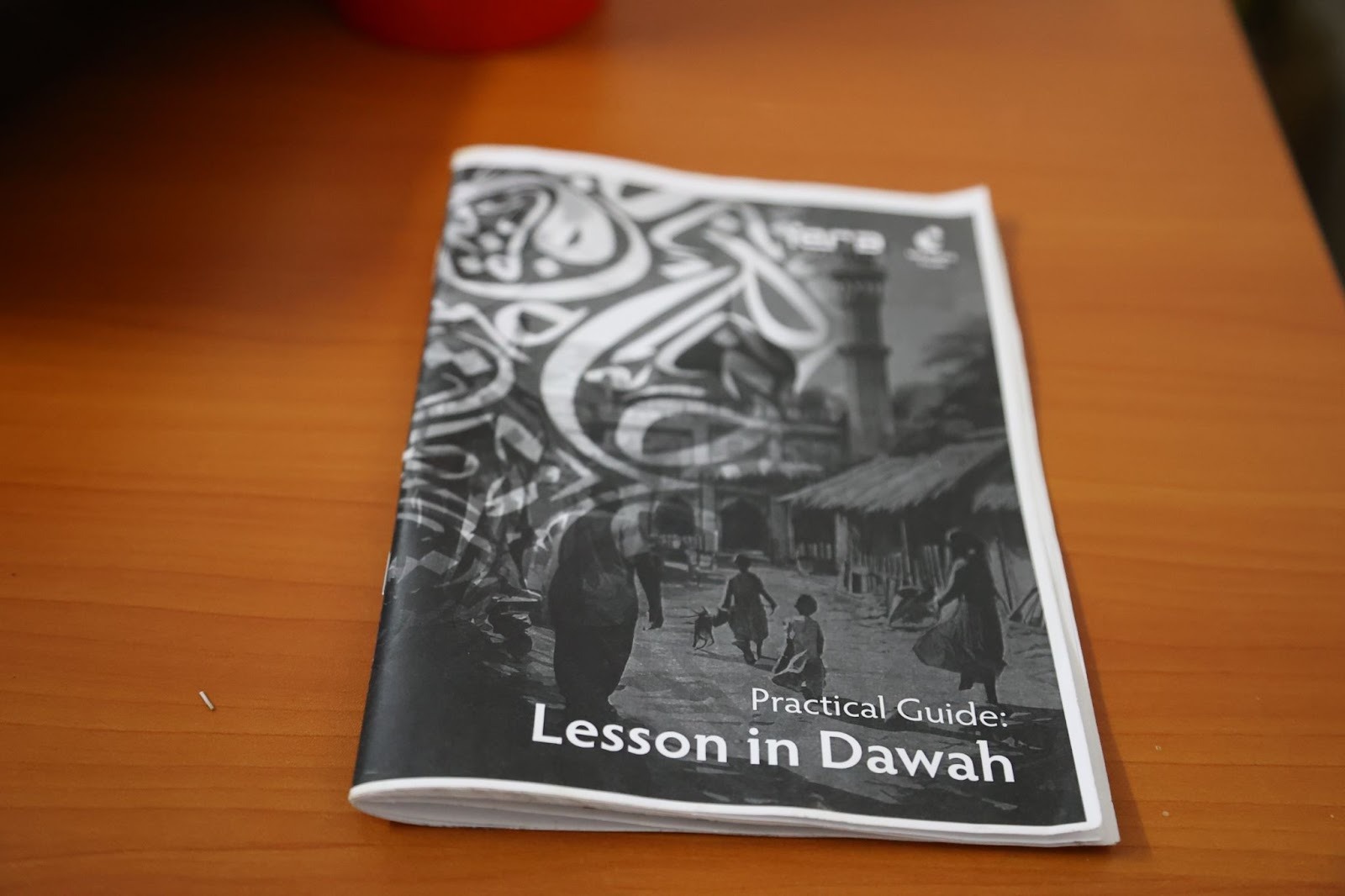
A comprehensive Dawah syllabus has been developed with the aim of introducing structured Dawah education in secular schools for Muslim students who fall under the Islamic Administration. This initiative represents a major step toward strengthening Islamic knowledge and building the capacity of young Muslims from an early age.
The syllabus is divided into four books, each carefully designed to cover key areas of Dawah knowledge and practical application. Book 1 has already been fully completed and was officially launched as a pilot program at Balaka Islamic Institute. This initial rollout will help determine how effectively the material can be delivered in classrooms and how well students connect with the content.
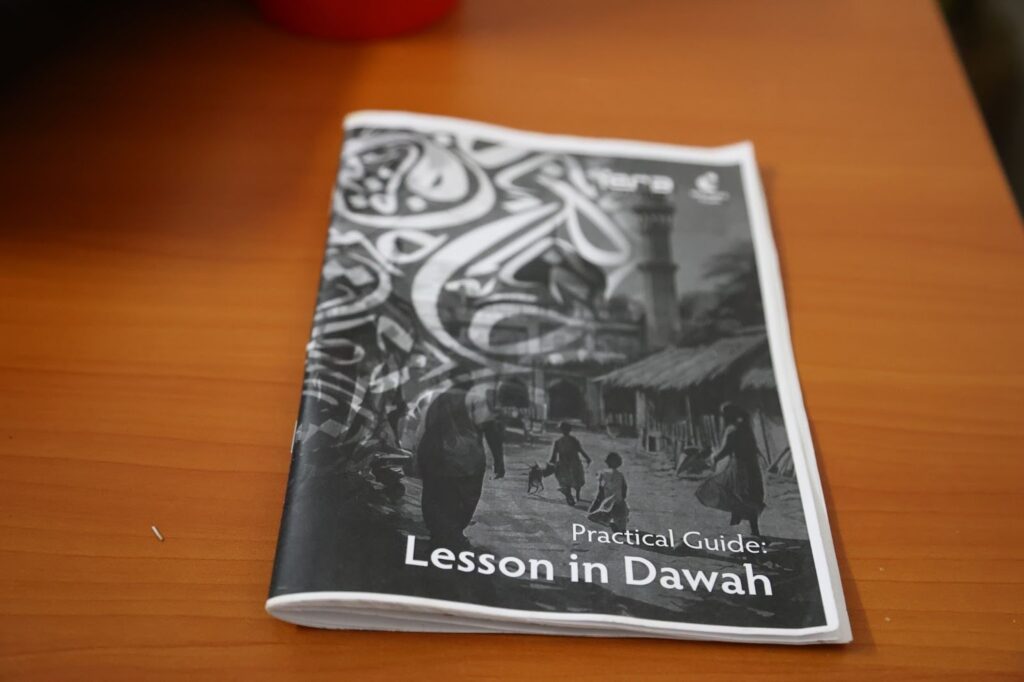
An inspection and evaluation has been scheduled for three months from now, in January. This review will monitor progress, highlight strengths, and identify any challenges that may arise during implementation. The aim is to ensure the syllabus meets high educational standards and provides real, meaningful value to learners.
Through this program, young Muslims will have the opportunity to study Dawah formally within the school environment. This early foundation will equip them with both theoretical understanding and practical skills. By the time they complete their studies, they will possess the confidence, competence, and technical ability needed to effectively participate in Dawah within their communities.
If the pilot program proves successful, the Islamic Administration plans to expand it to other schools across various districts, InshaAllah. This will help establish a unified and well-structured Dawah education system within secular learning environments.
Before full implementation begins, all participating sheikhs will undergo specialized training. This training will focus on teaching methods, classroom delivery skills, and integrating the Dawah syllabus into existing school systems. The objective is to ensure every teacher feels prepared and confident to teach the subject professionally and consistently.
Overall, this initiative is expected to greatly contribute to the development of knowledgeable, skilled, and responsible Muslim youth who can positively influence Dawah efforts today and in the future.