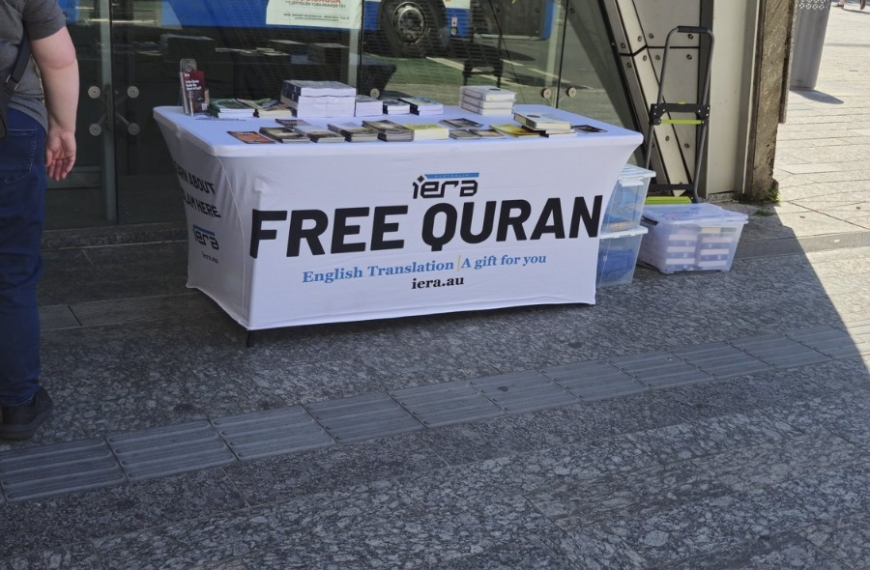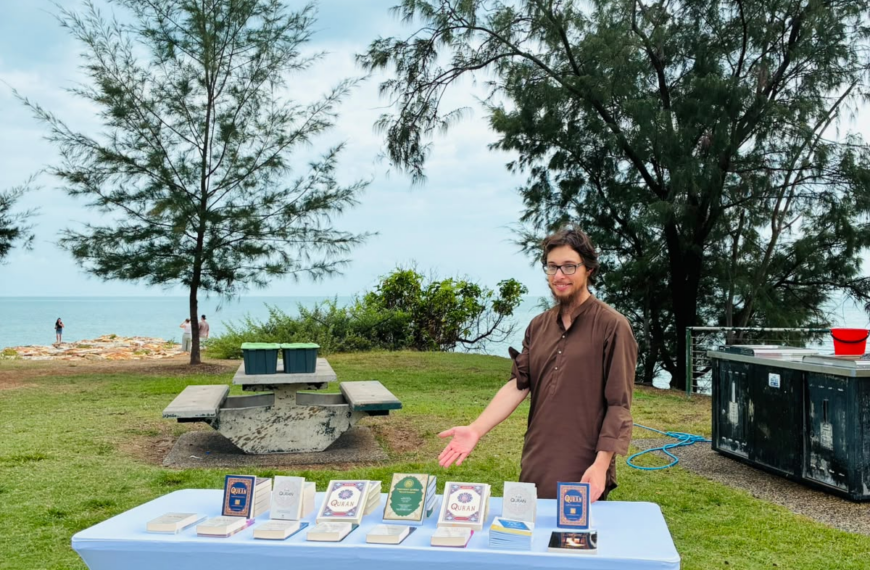

On a Tuesday morning near the ATU Central Campus library, a group of brothers from IERA Ghana set up a small dawah table with free Qur’an translations and leaflets titled “Who is Allah?” Their goal is simple, share the message of Islam with students who are willing to listen.
One of those students was Michael, 22, a Level 300 Electrical Engineering student at Accra Technical University. Michael had walked past the table for weeks. That day he stopped.
“Everything in This Book Makes Sense”
The IERA brothers began by asking Michael what he believed about God, purpose, and life after death. After about 40 minutes of conversation, Michael said something the brothers didn’t expect.
“Everything you’ve shown me from the Qur’an is true,” he told them. “The idea of one God, the purpose of life, accountability after death it fits. It makes sense to me.”
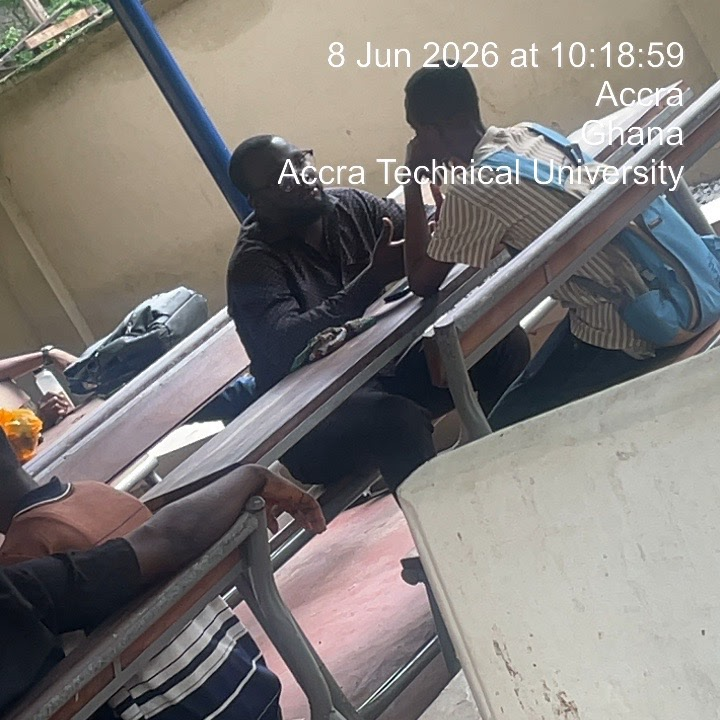
For the Iera brothers, this is a key moment in dawah. In Islam, tasdeeq believing the truth of the message in the heart is the foundation. The Qur’an describes it: “The believers are only those who, when Allah is mentioned, their hearts become fearful” [Al-Anfal 8:2].
Michael said he now accepts that Islam’s teachings about God, the Prophets, the Qur’an, and the Day of Judgment are correct.
“But I Won’t Say the Shahada Yet”
When the brothers gently invited him to take shahada – the declaration. Ashhadu an la ilaha illa Allah, wa ashhadu anna Muhammadan rasoolullah Michael paused.
“I believe it’s all true,” he said. “But I won’t take shahada now. I believe if I do good deeds – help people, be honest, pray to God – then God will grant me paradise.”
This response is common. Many people reach intellectual conviction before they reach the step of public declaration and practice. For Michael, the hesitation wasn’t about doubt in Islam’s truth. It was about timing, family, and what changing his identity would mean as a student living in a hostel.
Where Michael’s View Stands in Islam
From an Islamic perspective, belief and action are connected but distinct.
Belief in the heart Michael says he has this. The Qur’an calls people who believe in Allah and the Last Day “believers” [Al-Baqarah 2:62].
Shahada & Practice The Prophet ﷺ defined Iman as belief in the heart, statement on the tongue, and action with the limbs. Shahada is the entry point and public testimony that a person has submitted to Allah.
Scholars explain that good deeds are essential, but in Islam they are accepted only when done with Iman and with intention for Allah alone. The Qur’an says: “Whoever does righteousness, whether male or female, while he is a believer We will surely cause him to live a good life” [An-Nahl 16:97].
Michael’s view that “good deeds alone are enough” is sincere, but differs from the Islamic teaching that submission to Allah through shahada and following His guidance is also required for salvation.
What Happens Next
The IERA Ghana brothers didn’t pressure him. Their approach is to keep the door open: give him a Qur’an translation, answer questions, and invite him to Friday prayers on campus.
For Michael, the journey isn’t over. He left the table saying he will keep reading, keep asking questions, and keep doing good. For the volunteers, that’s progress. Dawah, they say, is planting seeds. Guidance comes from Allah alone: “Indeed, you do not guide whom you like, but Allah guides whom He wills” [Al-Qasas 28:56].
A Bigger Picture at ATU
Michael’s story reflects what many campus dawah groups see, students are thinking deeply about faith, purpose, and the afterlife. At ATU and other tertiary institutions, conversations about religion are happening outside lecture halls at tables, in hostels, and online.
Whether Michael takes shahada next week, next year, or not at all is between him and his Creator. For now, he is a young man who said, “The truth of Islam makes sense to me.” The next step, he believes, is living that truth through good deeds.