
The morning sun was just beginning to bake the red dust of the village roads when the IERA duats began their Jawla. Among the bustle of daily chores and opening shops, they spotted Ssebungo Moses, a 23-year-old fueled by the quiet urgency of a man with a job to do. He was headed toward his usual construction site, his mind likely on the mortar and bricks awaiting him.
When the duats approached and asked for just fifteen minutes of his time, Moses paused. It was a small window, but he offered it with a grace that suggested an open heart.
The conversation turned to a different kind of architecture: the Oneness of God. The duats didn’t speak of Islam as a new invention, but as a continuation—a faith walking steadily in the footsteps of all the prophets Moses had grown up hearing about. As a devout Born-again Christian, Moses listened intently. He was a man of faith, yet he carried questions that many in his position feel.
“Why is there so much hatred in Islam toward Christianity?” Moses asked, his voice seeking clarity rather than conflict.
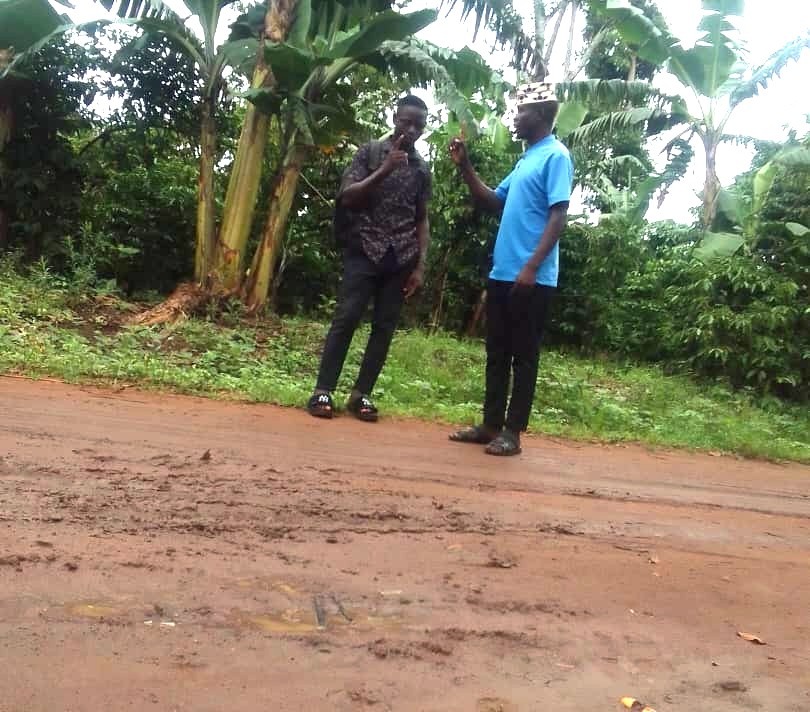
The duats met his honesty with a gentle but firm truth. They explained that Islam is a deen of peace, not a manual for animosity. They clarified a crucial distinction: the actions of misguided individuals are not the teachings of the religion itself. Just as a building is not defined by a cracked brick, the faith is not defined by the flaws of its followers.
The explanation resonated. The weight of his misconceptions lifted, replaced by a sense of profound contentment. The 15-minute window had long since passed, but a lifetime of new direction was beginning.”How does one become a Muslim?” Moses asked.
The answer was simpler than he had imagined. It wasn’t a complex ritual or a long ordeal; it was the Shahadah—a sincere testimony of faith.
Right there, Moses declared his belief. The builder became a new creation. Choosing to honor his roots while embracing Islam, he adopted the name Musa