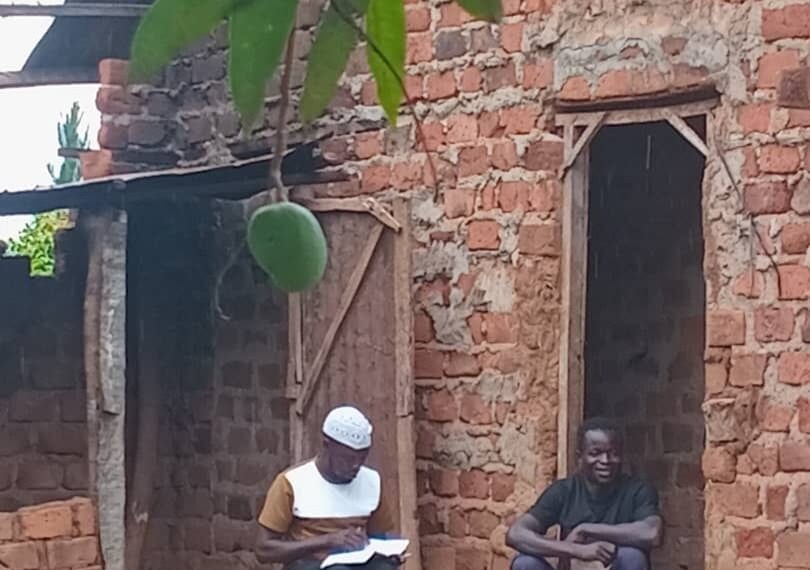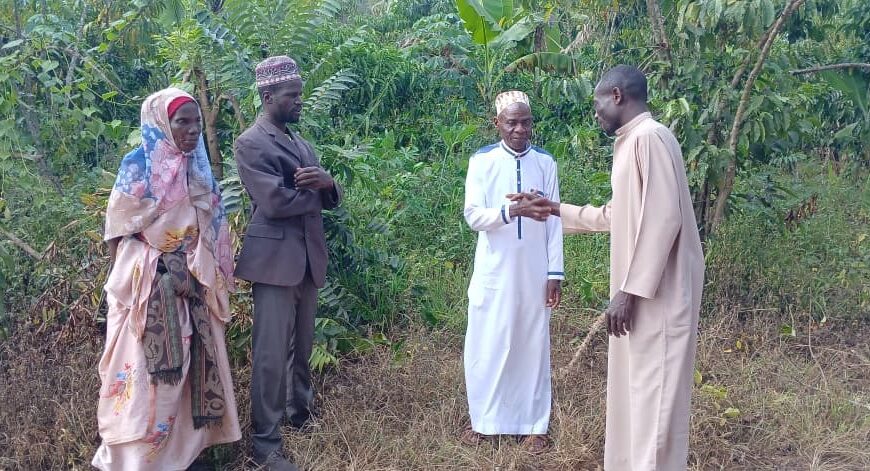

The afternoon sun beat down on the dusty paths of the village, but for Steven, the heat was the last thing on his mind. For weeks, he had noticed a small group of men walking from homestead to homestead. They wore calm smiles, carried leaflets, and spoke with an undeniable gentleness.
Steven knew who they were—daees from iERA, men dedicating their time to inviting people to understand Islam. But Steven was hesitant. Like many in his village, everything he knew about Islam came from distant rumors and terrifying news headlines. To him, Islam was synonymous with terror.
Yet, curiosity eventually got the better of his caution. One afternoon, as the daees passed near his compound, Steven stepped forward and signaled for them to stop.
The men paused, greeting him with warmth that instantly disarmed him. Squaring his shoulders, Steven decided to cut straight to the core of his deeply held beliefs and doubts.
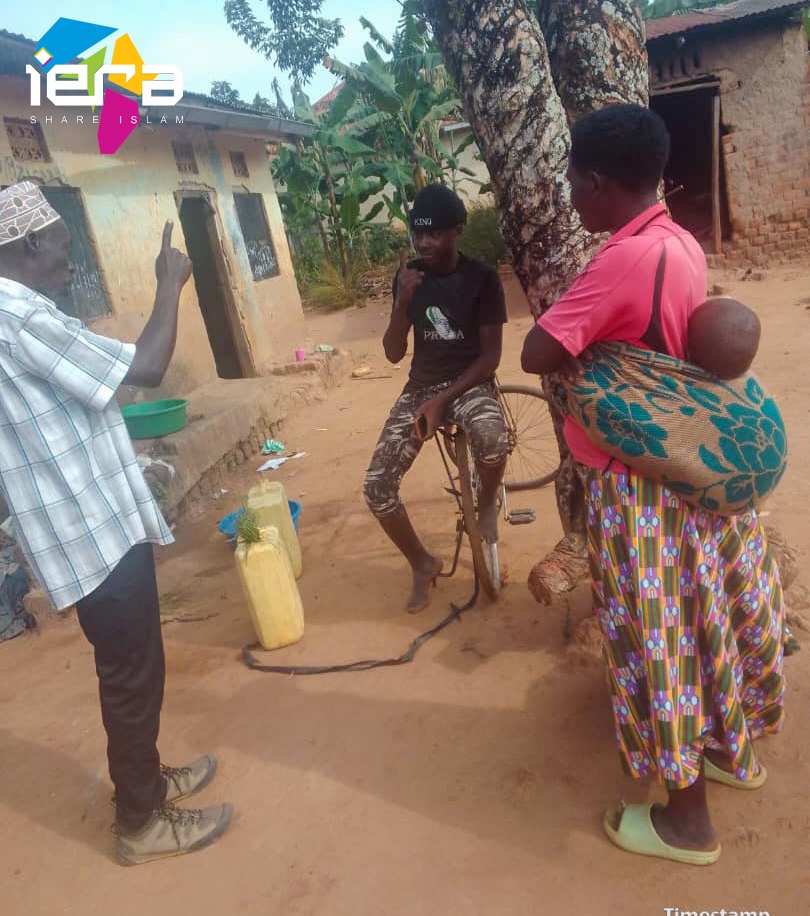
“I see you men walking around everyday,” Steven began, his voice a mix of challenge and genuine inquiry. “But in my church, we are taught that Jesus is God. You speak of God, so tell me—how do you view Jesus? And why should I trust a religion that the world knows for terror?”
The lead daee, a man with a calm demeanor and kind eyes, smiled softly. He nodded, acknowledging the weight of Steven’s questions without an ounce of defensiveness.
“Thank you for asking openly, brother,” the daee said. “Let us speak of Jesus first. In Islam, we love and revere Jesus deeply. However, we do not believe he is God, nor the son of God. We believe he was one of the greatest messengers ever sent by God—born of a miraculous virgin birth, given miracles to heal the sick, and sent to guide his people back to the worship of the One true Creator.”
Steven listened intently, his theological foundation shifting slightly. “So, you know him? You respect him?”
“More than just respect,” the daee replied. “A person cannot even be a Muslim if they do not believe in Jesus—whom we call Prophet Issa (peace be upon him). We strive every day to emulate his character: his humility, his mercy, and his devotion to God.”
The daees then addressed Steven’s second, heavier concern.
“As for Islam being a religion of terror,” the daee continued, looking directly into Steven’s eyes, “the very word Islam comes from a root word meaning peace. True Islam preaches peace, justice, and the sanctity of human life. The actions of a radical few do not represent the faith of nearly two billion people. Labeling Islam as a terror religion is simply a way to tarnish its true beauty and keep people like you from discovering its peace.”
The words resonated deeply within Steven. The heavy cloud of misconception he had carried for years began to clear, replaced by a profound sense of clarity. He realized that the values he cherished—the teachings of Jesus, the pursuit of truth, and inner peace—were vividly present right here.
Looking at the daees, Steven felt a sudden, overwhelming certainty. “I want this peace,” he said firmly. “I want to accept Islam.”
The daees beamed with joy. They guided him through the words that would change his life forever—the Shahadah, the testimony of faith:
“Ashhadu alla ilaha illa Allah, wa ashhadu anna Muhammadan rasoolu Allah.”
(I bear witness that there is no deity worthy of worship except Allah, and I bear witness that Muhammad is the messenger of Allah.)
As the final words left his lips, a wave of tranquility washed over him. To mark this beautiful new chapter of his spiritual journey, Steven chose a new name, one that reflected his new relationship with his Creator: Abdul, meaning “the servant of the Most Merciful.”
Walking back into his house that evening, Abdul was no longer a man burdened by fear and doubt. He was a man who had sought the truth, found it, and stepped into the light of peace.