
For eighty-two years, Emanuel had lived by a rhythm dictated by the bells of the village church. Raised in a home where the walls were lined with icons and the air was thick with a “staunch” brand of devotion, he was taught early on to view Islam through a lens of suspicion. In the stories of his youth, the faith was a shadow—something to be wary of, something spoken of in hushed, negative tones.
But Emanuel was a man of keen observation. As the decades rolled by, he couldn’t help but notice the quiet dignity of his Muslim neighbors. He saw the way they paused their lives five times a day, the discipline in their fasts, and the unwavering devotion in their eyes. While the prejudices of his childhood remained like old dust, a new curiosity began to sparkle in his heart.
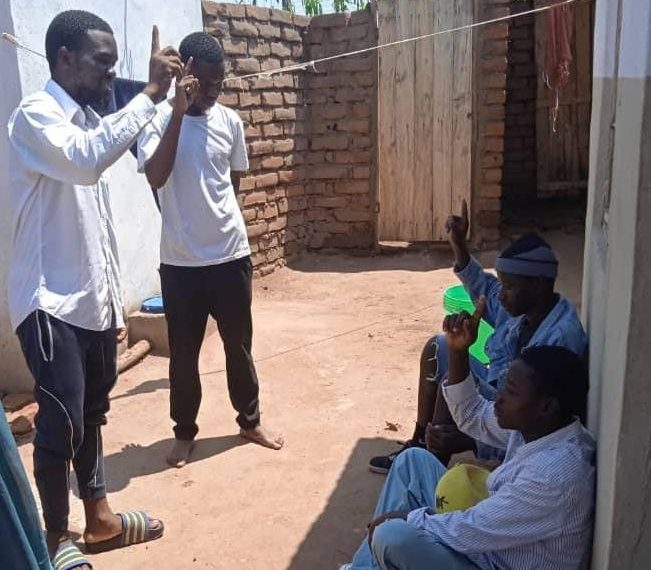
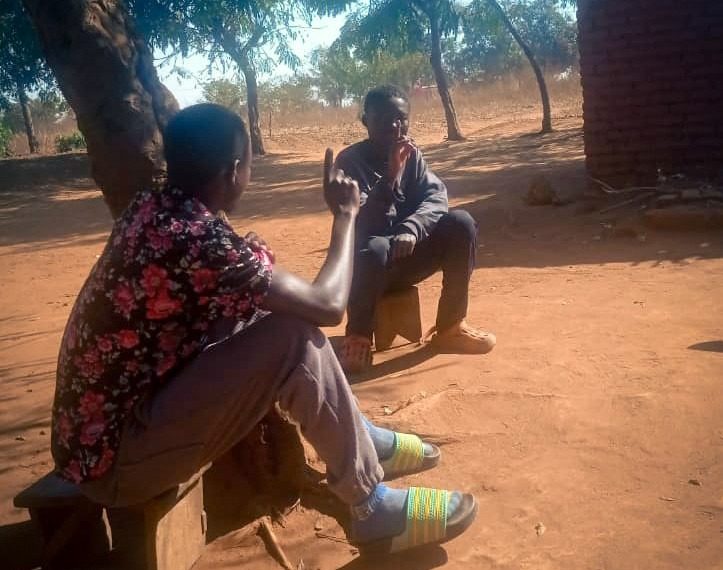
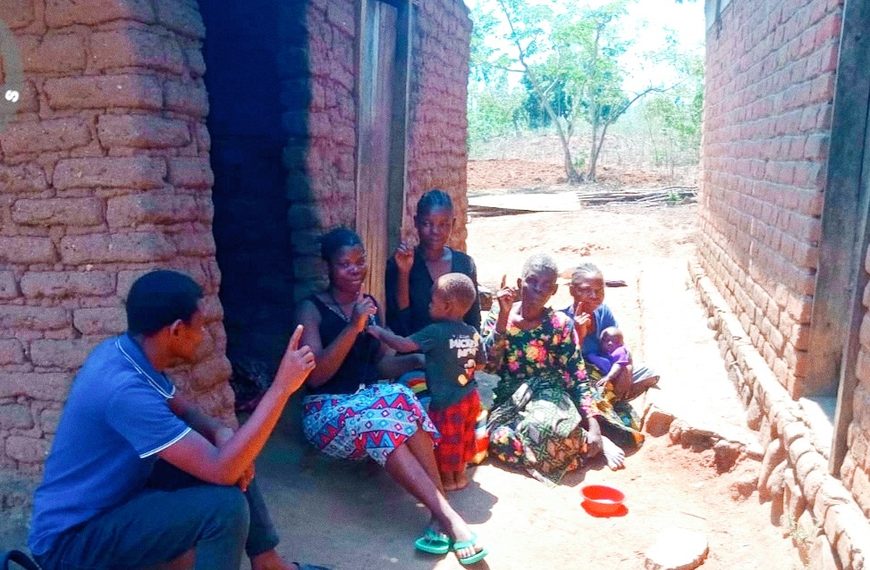
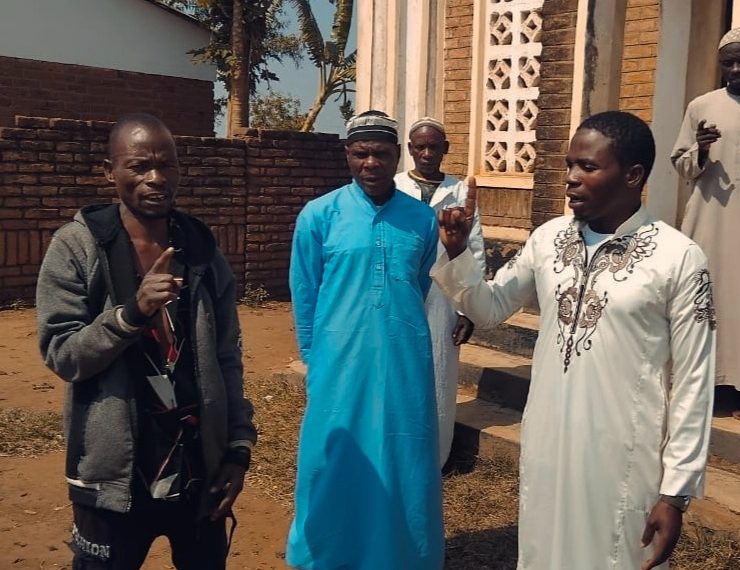
One afternoon, the quiet of his porch was broken by the arrival of visitors—IERA Duats. They didn’t come with the fire and brimstone he might have expected from the stories of his youth. Instead, they brought a profound, steady calm.
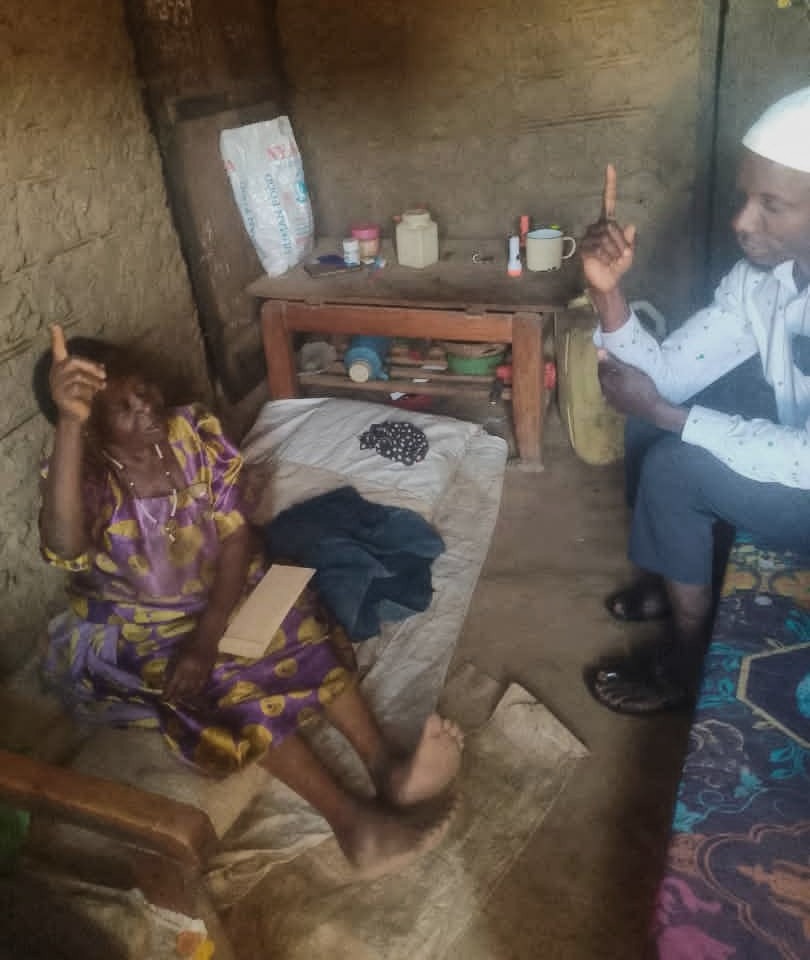
Emanuel sat back, his weathered hands resting on his cane, and listened. They spoke of Tawheed—the absolute oneness of God—with a simplicity that resonated deeply within him. As they traced the lineage of the prophets, showing the golden thread that connected the messages he already knew to the final revelation, Emanuel felt the old walls of prejudice begin to crumble. He didn’t see “the other”; he saw a mirror of the truth he had been searching for all his life.
Emanuel was never a man to do things by halves. Intrigued by their “calm explanations” and the inherent goodness of their message, he decided to attend classes. For three days, he immersed himself in learning. He asked questions that had lingered for decades, and for the first time, the answers felt complete.
On the third day, the conversation turned to the Shahadah.
As the meaning of those words sank in—the total surrender to the One True Creator—Emanuel realized that his long journey hadn’t been away from God, but toward a clearer understanding of Him. At eighty-two, he realized it is never too late to begin a new chapter.
With a steady voice and a heart lightened of its old burdens, Emanuel took his testimony. The man who had grown up in the shadow of suspicion stepped into the light of a new faith.
He didn’t just change his belief; he embraced a new identity. Today, the village no longer knows him only as Emanuel. They know him as Sowedi—a man whose silver hair reflects a lifetime of wisdom.