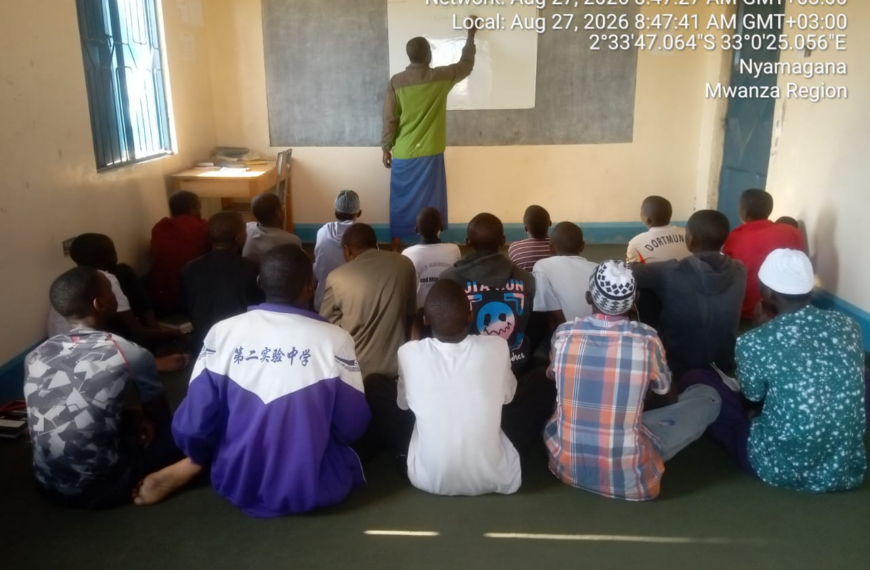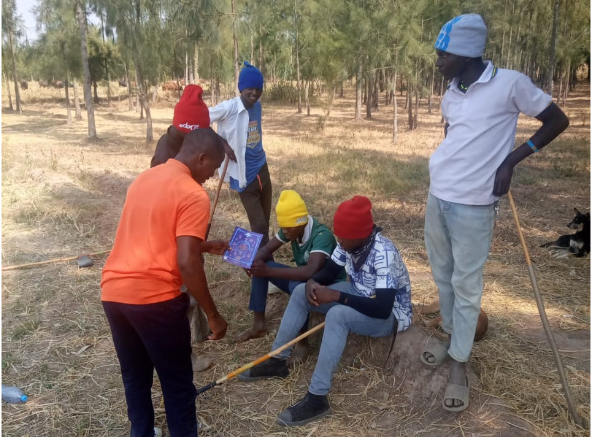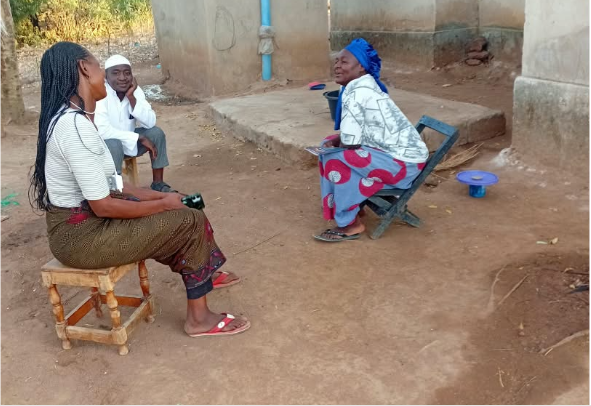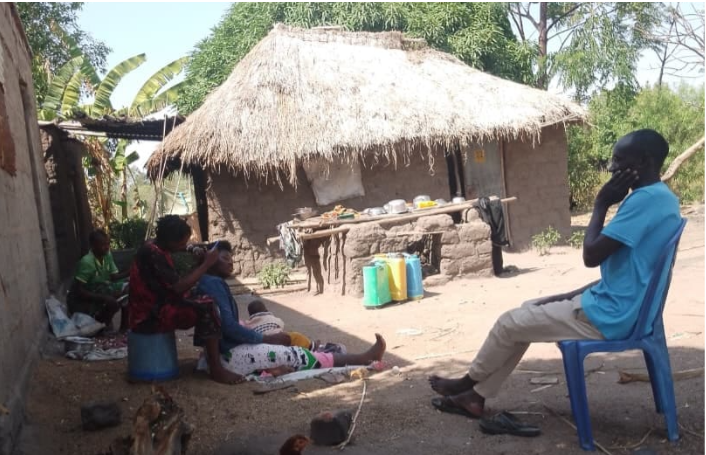

The dusty roads of the village stretched out before the IERA Uganda duats, their mission simple yet profound: to spread the message of Islam, or daawa, one conversation at a time. It was on one of these journeys that they met Vianey John, a young man whose eyes held a flicker of both curiosity and conflict. As they began to speak about their faith, Vianey listened intently, a thoughtful expression on his face.
Vianey’s story was a quiet tapestry woven with threads of different beliefs. He was born to a Muslim father and a Protestant mother, and in his earliest years, he had learned the basics of Islam from his father. He remembered the feeling of that faith, a sense of belonging he carried with him. However, when his parents divorced, his mother took him away. His childhood environment shifted dramatically as he was enrolled in a Catholic school, where he immersed himself deeply in the Catholic faith. He became a devout follower, his life shaped by the teachings he received there.
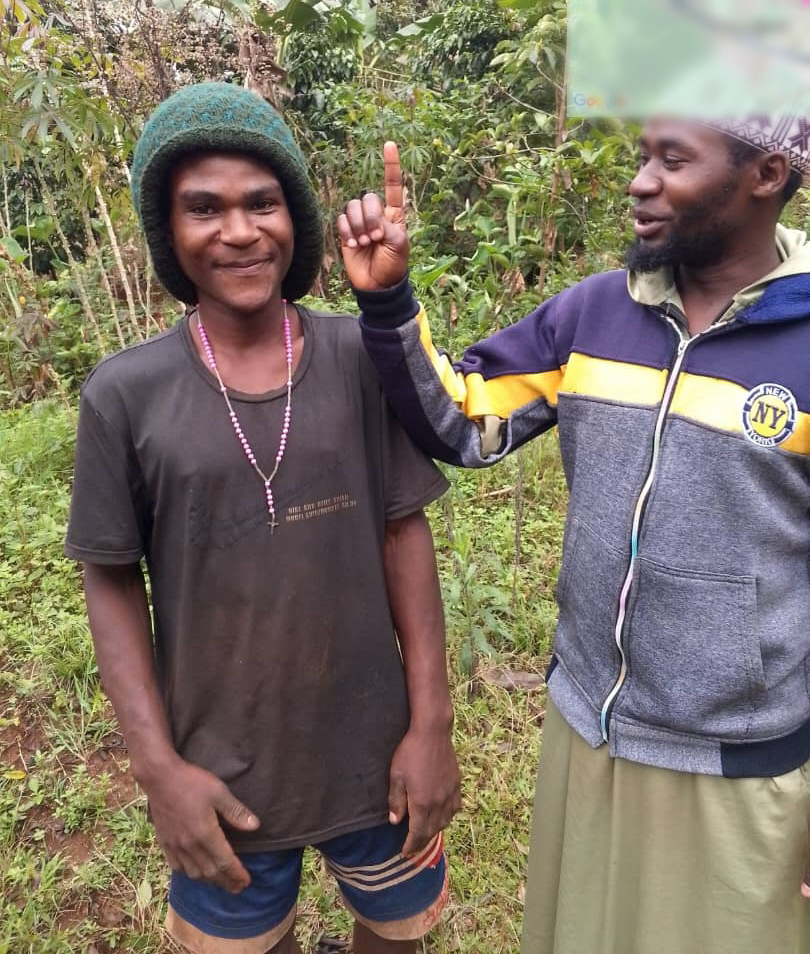
Yet, a part of him still sought the connection he remembered from his early days. He spoke with the duats about a profound desire for the brotherhood he saw among Muslims, a community united by a shared purpose. The duats, recognizing his searching heart, introduced him to a simple yet powerful framework: GORAP, a methodology focused on God’s Oneness (tawhid) and the role of the prophets. The clarity and logic of this approach resonated with Vianey, confirming the foundational truths he had always felt.
But as the conversation deepened, a single, difficult point surfaced. Vianey confided his greatest fear: performing Salah, the five daily prayers. He found the act daunting and hard, a practice that seemed beyond his reach. The duats listened patiently, then offered a compassionate perspective. They explained that while Salah is a pillar of faith, the journey of a believer is not about perfection, but about sincere effort and a connection to God. They reassured him that Allah is the Most Merciful, and that the brotherhood he so desired would be there to support him, to guide him, and to pray alongside him.
In that moment, Vianey’s inner struggle found peace. The duats had not offered him a rigid set of rules, but a path. He realized that the faith he remembered was not an impossible burden, but a loving and supportive journey. With a sense of relief and conviction, he took his shahada and reverted to Islam. Vianey John had not just found a new religion; he had found his way home.